The Store-Within-A-Store Playbook for Independent Retailers – And Why It Matters
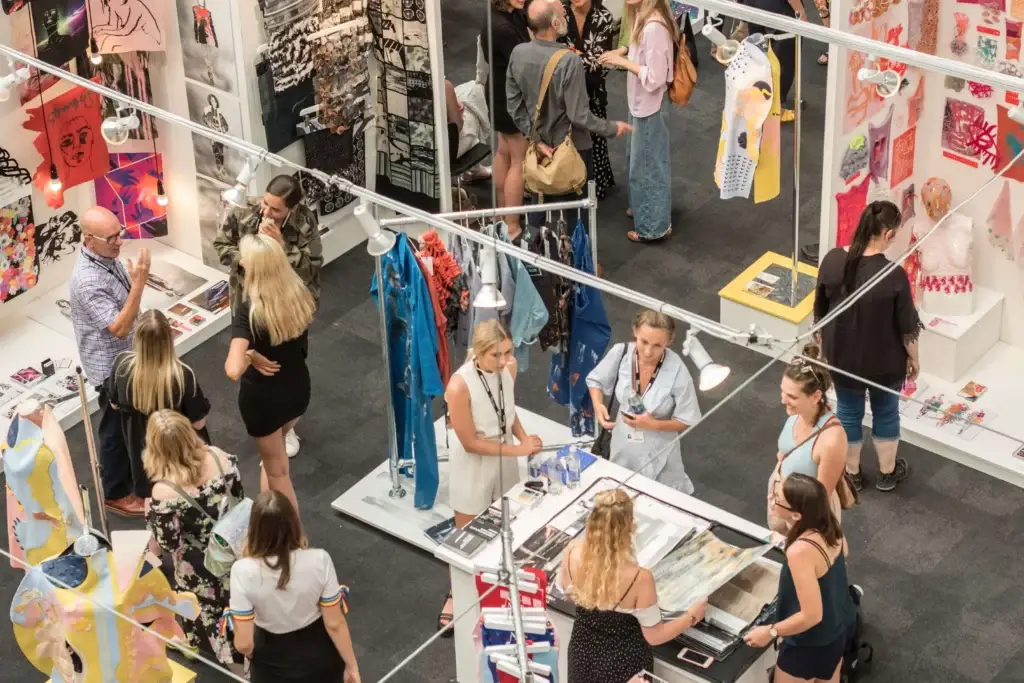
In our article ‘A Sure Way To Kill Your Retail Business – And How To Avoid It’ we discussed a number of ways retailers can improve their business – from prioritizing customer service to introducing engaging in-store kiosks. But with the competitive landscape getting fiercer by the year, retailers are looking for more innovative ways to secure foot traffic and increase sales. One standout example is the rise of the store-within-a-store concept (also known as a “pop-in shop” or SWAS). It allows retailers to cede a space within their store to smaller companies and branded manufacturers in exchange for a fee. As the concept continues to prove itself across retail categories, we’re learning more about its advantages, challenges, and overall effects – and why independent home furnishings retailers should pay close attention.
The Growing Threat of E-Commerce
Independent retailers have faced headwinds for years. ‘How In-Store Retail Experiences Push Customers To Shop Online’ on Forbes details how subpar shopping experiences push customers toward online alternatives. This has driven a massive reallocation of marketing budgets – away from traditional media and toward digital channels where shoppers can be reached with a single click to buy.
The scale of this shift is striking. Global digital ad spending reached approximately $600 billion in 2024 and is projected to surpass $800 billion in 2025, with no slowdown in sight – forecasts put the market above $1 trillion by 2028 (Precedence Research). Digital channels now account for roughly 73% of all worldwide advertising investment, a figure that has grown sharply since 2020 (DataReportal).
Yet here’s the tension: despite the digital surge, over 81% of U.S. retail sales still happen in physical stores (Capital One Shopping). Brick-and-mortar isn’t dead – it just has to work harder. And that’s exactly why concepts like store-within-a-store are gaining momentum.
The Store-Within-A-Store Concept: Why It Works
Major national retailers have validated the model in visible ways. Best Buy, for example, has long partnered with tech brands to open dedicated shop-in-shops – including Meta-staffed sections specifically trained to demo and sell Quest VR headsets, giving customers an immersive brand experience they simply can’t replicate online (Advertising Week). Target has a well-established partnership with Apple, where Apple-trained Target Tech Consultants and a curated product assortment give both brands a lift from each other’s customer bases (eMarketer).
The mutual benefits are real. According to retail industry analysis, the arrangement opens new revenue streams for both retailers and partner vendors. Operationally, stores-within-a-store help retailers save on overhead costs, while the vendor avoids the long-term capital commitment of a standalone prime-location lease. Both parties gain from the foot traffic the other brings in – and customers get a richer, more curated experience.
Challenges – Is This A Solution For You?
Introducing any new concept comes with risks, and the SWAS model is no exception. The history of Sephora inside JC Penney is instructive: the partnership ran for nearly 15 years and was considered one of JCPenney’s strongest draws – but when JCPenney filed for bankruptcy in 2020, Sephora exited and quickly signed a deal with Kohl’s instead (Fortune). The lesson isn’t that SWAS doesn’t work – it’s that no single concept compensates for structural business problems. The in-store partnership ultimately thrived: Sephora at Kohl’s expanded to over 850 locations, making it one of the most successful shop-in-shop rollouts in retail history (The Robin Report).
For smaller retailers, other friction points are worth anticipating. As noted by Digiday, established retailers may find it challenging to collaborate with startups used to operating independently – stiff rules around displays, lighting, and signage can stifle smaller brands and create friction. Customer data ownership is another sticking point, with smaller vendors growing wary of large retailers keeping purchase data without sharing meaningful insights. For both retailers and vendors, addressing expectations upfront is essential. Ultimately, the outcome of these partnerships depends on the cooperation and effort both parties are willing to commit.
How Others Make A “Shop Within A Shop” Work
If brick-and-mortar stores want to survive in a digital-first world, the in-store experience is the key competitive advantage. Providing a fresh, rotating experience with pop-ups or pop-ins gives shoppers a reason to return. When partners align on expectations and deliver on their promises, both retailers and vendors gain more foot traffic – and higher revenues at a relatively low cost.
Luxury beauty retailer Cos Bar opened the Cos Bar Lab at six of its stores, featuring complementary vendors whose products rounded out the brand’s own lineup. Based on vendor performance, Cos Bar set plans to expand the concept across all of its locations – creating one-stop destinations for customers’ beauty needs.
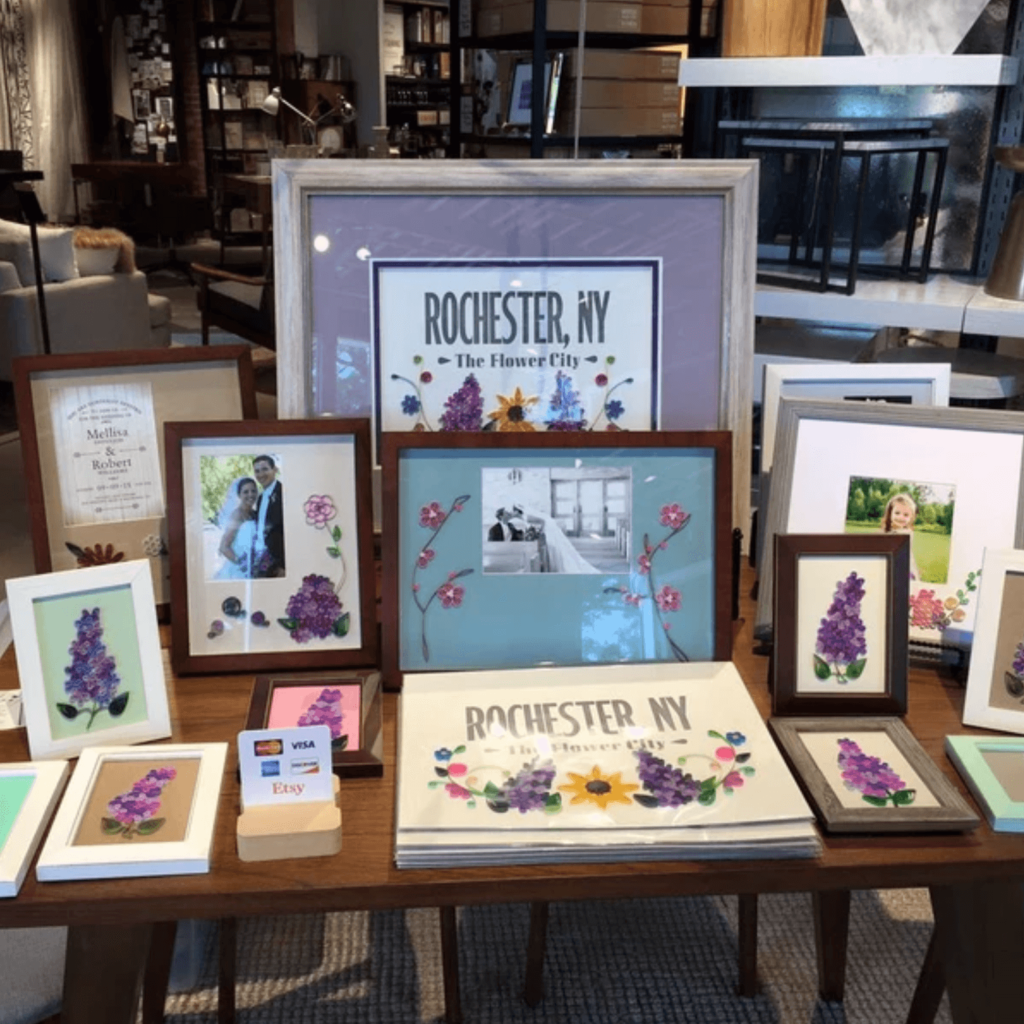
More recently, industry research firm STORIS found that furniture and home furnishings retailers are increasingly turning to store-within-a-store partnerships and pop-up events as strategic cross-promotion tools – partnering with local brands and influencers to transform showrooms into sought-after community destinations (STORIS 2024 Industry Trend Guide). With the U.S. furniture market valued at $244 billion, even modest differentiation through in-store experience can drive meaningful results.
By offering something that can’t be replicated online, retailer-vendor partnerships give consumers more reasons to spend money in physical stores.
Store-Within-A-Store For The Home Furnishings Industry
Major retailers and department stores have been hosting pop-ups or pop-ins for years. The concept is still far from standard practice in the home furnishings space – which means there’s a real first-mover opportunity for independent retailers willing to try it.
Invite related businesses to set up shop in your store. Connect with your community and think local.
Here are some pop-up concepts tailored for furniture retailers:
- Local artists and craftspeople who create unique wall art shoppers can’t get anywhere else
- Interior designers and décor services to help educate shoppers and provide added value
- Photographers to help fill picture frames and tabletop accessories with meaningful, personalized artwork
- Local coffee shops to keep customers caffeinated and browsing longer (added benefit: a great smell in your store)
- Jewelers showcasing handmade items that complement a homeowner’s aesthetic
- Home cleaning and fabric care services to educate customers on how to properly care for rugs, sofas, throw pillows, and more
- Interior staging consultants who can help shoppers envision pieces in their own homes – a powerful conversion tool in the age of online comparison shopping
The bottom line: you’re creating a memorable, shareable experience for guests. They’ve come to your physical location, they’re spending more time browsing, and they’re leaving with impressions – and purchases – they couldn’t replicate from a couch. In a world where e-commerce competes on price and convenience, experience is the brick-and-mortar advantage that can’t be shipped.